What LTL and FTL mean for a shipper
LTL is commonly used when freight occupies only part of a vehicle's capacity and can move within a shared freight plan. FTL is an option when a larger allocation or a shipment-specific vehicle plan is appropriate. The exact operating arrangement must be confirmed with the carrier; neither label by itself promises an exclusive vehicle, a direct route, or a particular transit time.
A few standard pallets may suit an LTL enquiry. A bulky, non-stackable load can use much more space than its piece count suggests. Provide dimensions and weight so dispatch can assess the load rather than choosing a service from the pallet count alone.
Compare the space your load really uses
Measure the loaded pallet or crate, including packaging and anything extending beyond its base. State whether freight can safely be stacked, and do not mark a load stackable unless its packaging and product can support it. Long items, mixed pallet heights, and unusual shapes can change how capacity is used.
Send separate measurements for differently sized pieces. An approximate total weight is useful, but it does not replace individual dimensions. If the final packed size differs from the quote details, tell dispatch before collection so the service and price can be reassessed.
Look beyond the transport price
Compare like-for-like enquiries: the same pickup window, delivery address, unloading arrangement, and handling needs. A quote based on a warehouse dock may not cover the same practical requirements as delivery to a site without equipment. Tell dispatch about appointments, limited access, or a receiver who needs a call before arrival.
Consider the business effect of timing and handling as well. A shipment tied to a scheduled crew may need a different plan from replenishment stock with a flexible receiving date. Ask what is included in the proposed service rather than assuming that every LTL or FTL quote covers the same work.
Allow for Mainland-to-Island coordination
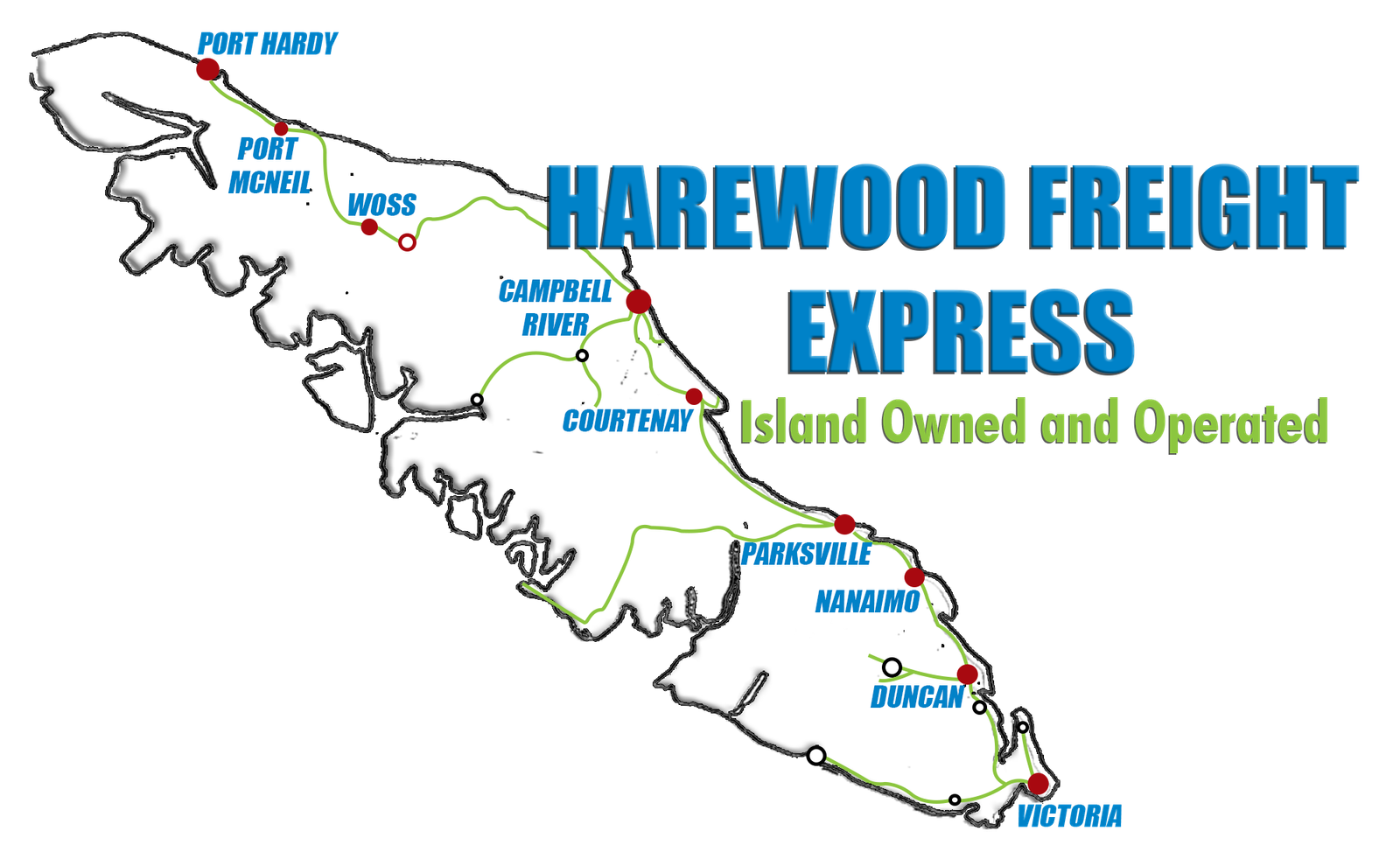
For freight moving between the Lower Mainland and Vancouver Island, supplier readiness and ferry-linked routing form part of the overall plan. Same-day support must be assessed for the specific load, origin, destination, and pickup time. A service name should never be used as a guaranteed arrival promise.
If the shipment is recurring, discuss a contract route or planned replenishment arrangement. If it is a one-off movement, provide the full details and let dispatch compare suitable options. The best starting point is an accurate shipment profile, not a commitment to a label.
Send the same facts for every comparison
- Exact addresses and business receiving hours.
- Loaded dimensions, piece count, weight, and stackability.
- Commodity, packaging, and any special handling.
- Required date, flexibility, and equipment at both ends.
- Whether the shipment is one-off or part of a recurring program.