Build a repeatable supplier handoff
Create one shipment reference that connects your purchase order, supplier contact, and freight enquiry. Ask suppliers to use the same receiver name and reference on shipping labels and paperwork. This helps a receiving team distinguish stock replenishment from project material or a customer-specific order.
Before each collection, confirm what is physically ready. A standing freight arrangement does not mean an incomplete order should automatically be picked up. Share the piece count, loading window, and exceptions each time so dispatch can work with the current shipment rather than last week's assumptions.
Separate essential stock from flexible replenishment
Some goods are needed for a specific service commitment; others can move with a planned replenishment cycle. Identify those groups when asking about a recurring route. This is especially useful when a late supplier item would otherwise delay everything else in the order.
Review order patterns over several deliveries. Unused receiving space, frequent last-minute additions, or repeated partial orders may indicate that the order cutoff needs adjustment. Discuss the pattern with dispatch instead of changing pickup instructions independently with each supplier. Route availability and any consolidation must be confirmed.
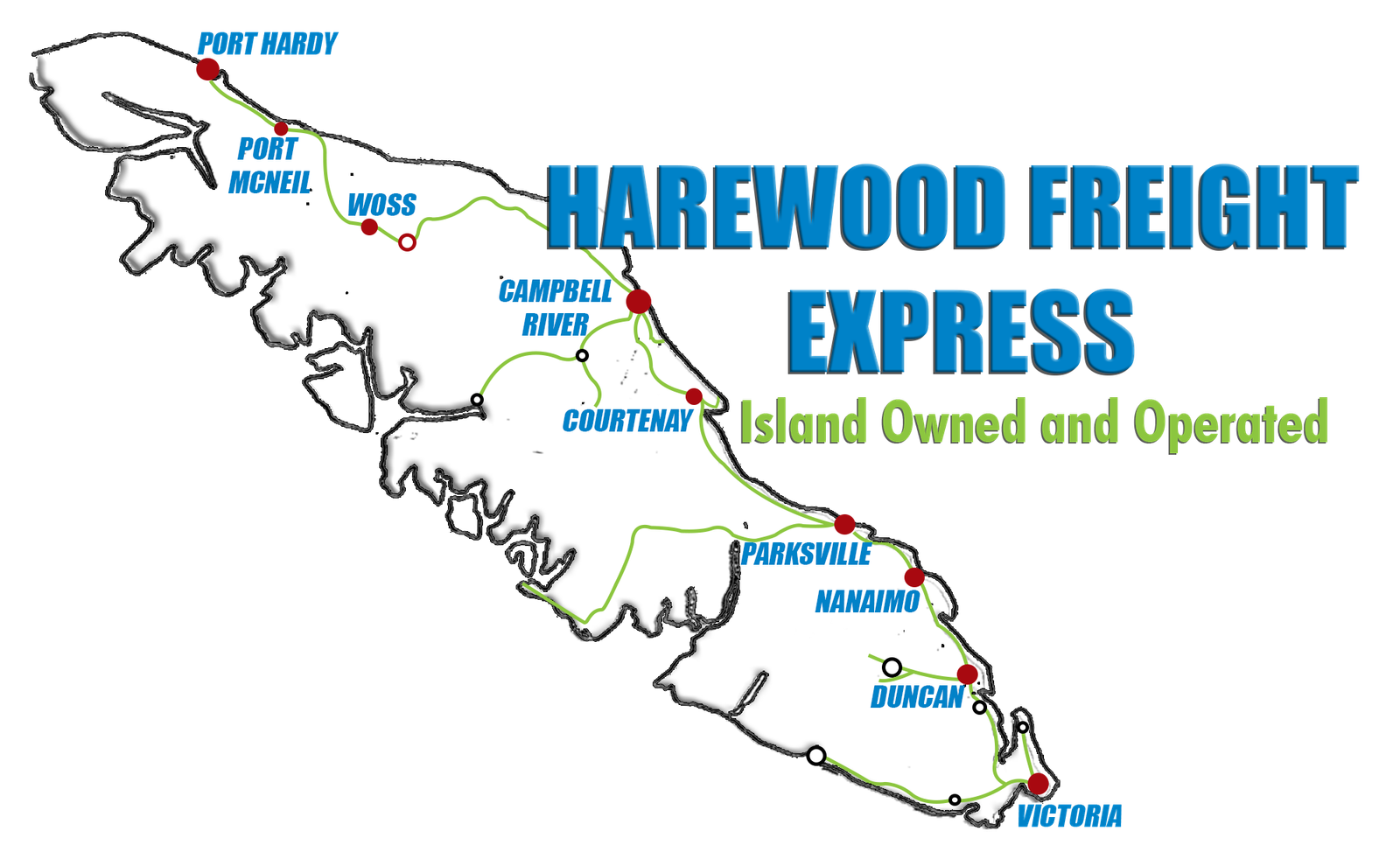
Prepare the Port McNeill receiving site
Share your commercial access details, unloading equipment, and receiving hours. A delivery to a busy shopfront, marine-related business, or supply yard may require a different handoff from a warehouse with a dedicated dock. Let dispatch know if the driver must call a site contact before entering.
Choose a safe receiving area and a person responsible for counting pieces against the shipping documents. Keep labels visible while pallets are unloaded. If packaging appears damaged or a count differs, record the observation on the receiving documentation and contact dispatch promptly for the next steps.
Be precise about onward destinations
Port McNeill may be part of a broader supply chain, but freight addressed to Port McNeill is not automatically booked for an onward community or island destination. If your order has a later transfer, provide the final destination, who arranges the next leg, and the agreed handover location.
Do not treat proximity to Alert Bay, Sointula, Woss, or another community as confirmation of a direct freight route. Dispatch should assess the actual addresses and any additional transport requirements. Clear responsibility at the handover helps avoid freight arriving where no receiver is expecting it.
Questions for a recurring freight enquiry
- Which suppliers and purchase orders are included?
- What changes from one shipment to the next?
- Which deadlines are fixed and which orders can be consolidated?
- Who confirms readiness and who signs for receipt?
- Are there temperature requirements, access restrictions, or an onward transfer?