
Work back from the receiving requirement
Begin with the destination business's receiving hours and the date the goods are needed. Tell dispatch if an appointment, site crew, or customer commitment depends on the shipment. A warehouse that closes early can create a different planning constraint from a receiver available throughout the day.
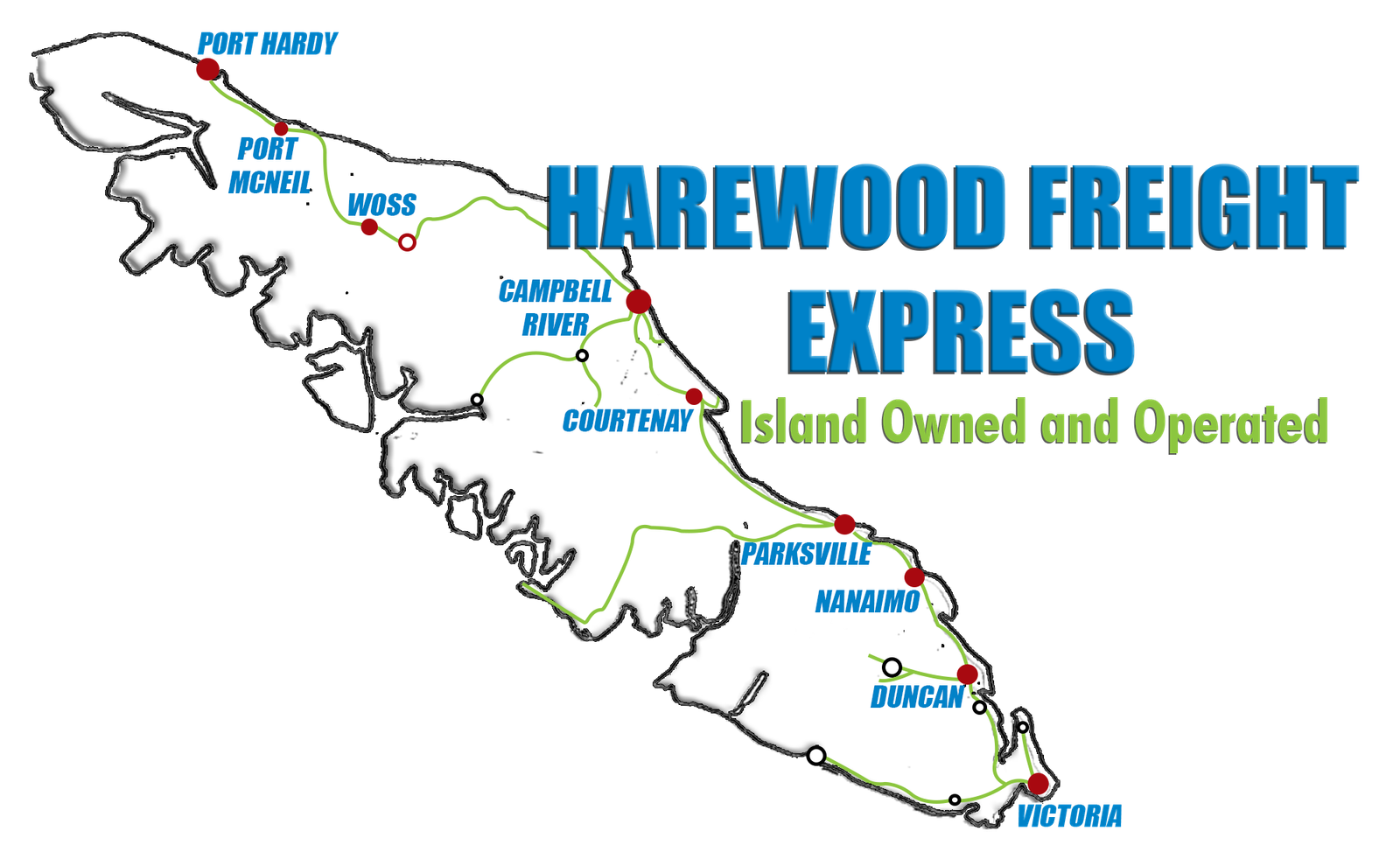
For Victoria, Nanaimo, Courtenay, Port Hardy, Port McNeill, or another destination, provide the actual final address and access instructions. A city-level route enquiry is a starting point, not enough information to confirm a booking. Remote or onward destinations need their own assessment.
Confirm what ready for pickup means
A supplier may say an order is available while still needing to assemble, label, or wrap it. Ask for a confirmed loading window and piece count, and identify the person who will release the freight. Give dispatch purchase order references so the correct goods can be identified.
If you are collecting from multiple mainland locations, list each one separately. Include individual warehouse hours and note whether one late order should hold the others. Do not assume that extra stops, consolidation, or split deliveries are included until dispatch confirms them.
Treat ferry operations as one part of the route
Ferry-linked movements require coordination with the rest of the transport plan. Current conditions, available capacity, pickup timing, weather, and the final delivery location can all affect the service options. Avoid building a customer promise around a sailing you have seen online without confirming the freight arrangement.
Dispatch should confirm the proposed service and communicate material changes. For general travel updates, use the ferry operator's own current-conditions information. A public sailing listing is not proof that a particular freight shipment is booked or that the final delivery time is guaranteed.
Prepare both ends for the handoff
Specify the loading and unloading equipment available at each address. Mention docks, forklifts, restricted entrances, appointment requirements, or access that may not suit a larger commercial vehicle. If the unloading method has not been decided, resolve it before pickup rather than leaving it to the driver on arrival.
Keep contact details current and tell both businesses which shipment reference to use. If the cargo, piece count, address, or timing changes, update dispatch as soon as possible. A small order change can affect the space or handling needed for the route.
A simple pre-pickup review
- Supplier confirms every piece is packed and ready.
- Dispatch has complete addresses, references, and contact numbers.
- The load matches the dimensions and weight in the enquiry.
- Both businesses understand the agreed loading and receiving windows.
- Any temperature, appointment, or special handling requirement has been confirmed.